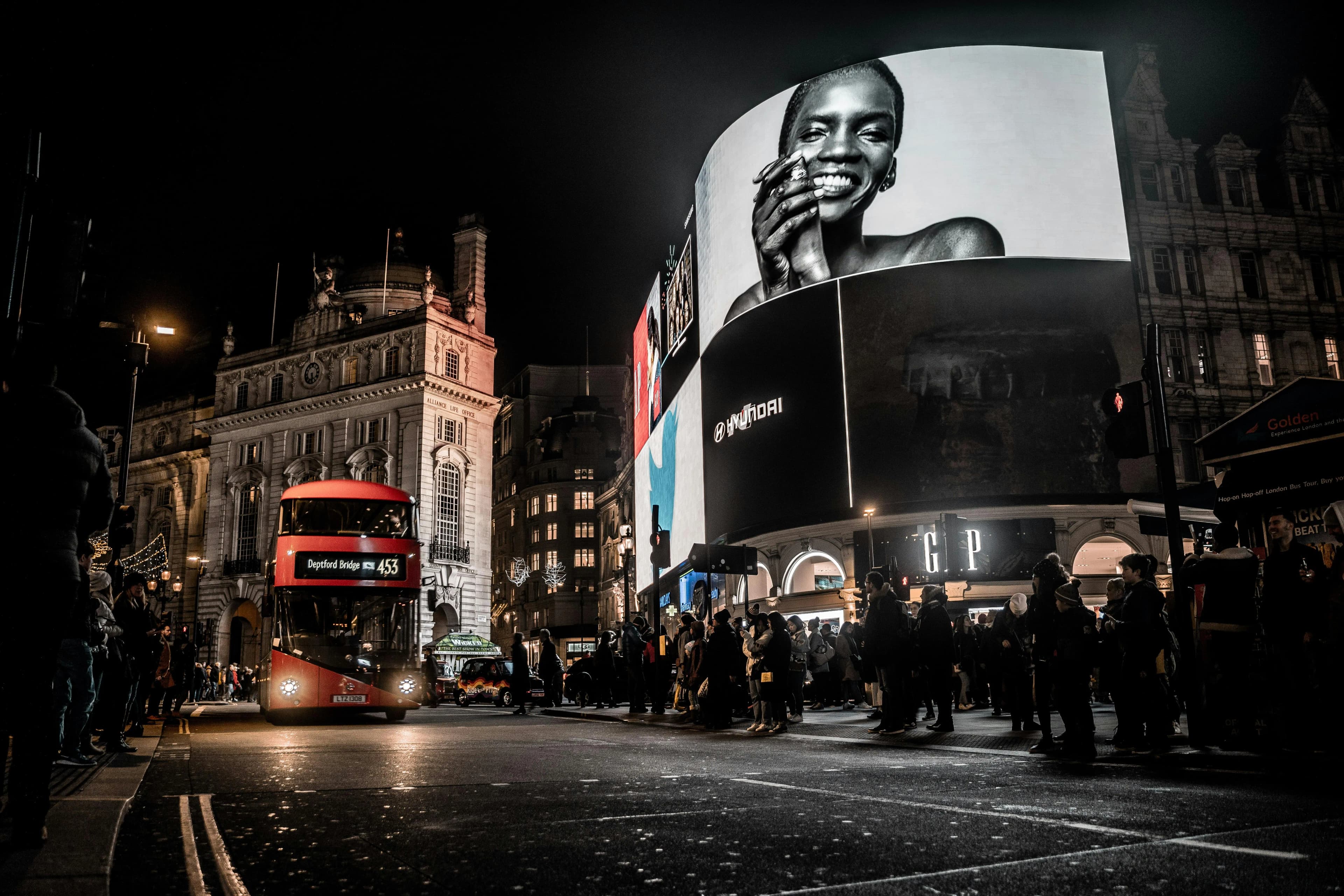
In the fast-paced world of marketing, digital advertisers have grown accustomed to real-time metrics, precise audience targeting, and clear ROI calculations. However, traditional outdoor advertising (OOH) has lagged behind, relying on rough estimates of reach and impact rather than verifiable data. This is changing with programmatic Digital Out-of-Home (DOOH) advertising, and Boldstreet OOH is at the forefront in Nairobi. By integrating real-time audience signals, Real-Time Bidding (RTB) auctions, and blockchain-based verification, Boldstreet OOH transforms static billboards into dynamic, performance-driven channels that behave like online ads but operate in the physical world. For Kenyan marketers, agencies, and brands, this means unlocking new levels of efficiency in campaigns targeting busy streets, malls, and transport hubs. In this in-depth article, we'll compare old and new OOH paradigms, dive into the core technologies, provide a practical playbook for Nairobi campaigns, highlight wins for advertisers and publishers, and address privacy concerns to help you implement programmatic DOOH effectively.
The old vs the new
Old OOH: Historically, outdoor advertising in Nairobi involved static creatives printed on billboards or posters, with audience reach estimated based on traffic counts or demographic assumptions. Campaigns were planned months in advance, with little room for adjustment, and measurement relied on post-campaign surveys or guesswork, leading to uncertain ROI and wasted spend on underperforming locations.
New DOOH: Programmatic DOOH revolutionizes this by enabling real-time audience profiling through sensors, dynamic creatives that adapt on the fly (known as Dynamic Creative Optimization or DCO), and verified impressions backed by immutable receipts. In Nairobi's vibrant urban landscape, this allows ads to respond to live conditions, such as showing umbrella promotions during rain or targeting commuters during rush hour, delivering digital-like precision in the physical realm.
Core technologies making DOOH programmatic
Gaze & dwell detection: Embedded cameras and sensors near digital screens in Nairobi's high-traffic areas detect viewer attention and dwell time. Impressions are only counted and auctioned after edge-based confirmation of actual views, ensuring advertisers pay for genuine engagement rather than mere exposure, which boosts campaign accuracy and reduces fraud.
Dynamic Creative Optimization (DCO): Creatives aren't fixed; they dynamically adjust based on contextual data like weather forecasts from Kenyan meteorological services, crowd demographics analyzed in real time, or even nearby events such as markets or festivals. This personalization increases relevance, driving higher engagement rates for brands targeting diverse Nairobi audiences.
RTB / SSP / DSP integration: Each ad slot on a digital billboard or kiosk becomes a programmable impression available through Real-Time Bidding (RTB). Supply-Side Platforms (SSP) and Demand-Side Platforms (DSP) allow local Kenyan agencies and global buyers to bid instantaneously, optimizing ad placement based on budget, targeting, and performance goals.
Verification layer: Blockchain technology anchors impression data, creating tamper-proof receipts that verify views and enable reconciled billing. This transparency is vital in Nairobi's competitive ad market, where trust between publishers, advertisers, and agencies can make or break partnerships.
A playbook for Nairobi campaigns
Objective: For a campaign aimed at driving footfall to weekend retail activations in areas like Westlands or CBD, programmatic DOOH offers targeted, measurable impact.
Setup: Deploy 8-10 digital kiosks or billboards in downtown Nairobi, equipped with Boldstreet OOH edge appliances for sensor integration and real-time data processing.
Rules: Configure the system to serve 'rain-ready' creatives if precipitation is forecasted via integrated weather APIs, and prioritize bids from advertisers targeting 18–35-year-olds during evening hours when foot traffic peaks.
Measurement: Track watch-time metrics, conversions linked to Point-of-Sale (POS) systems, or store check-ins via mobile integrations, providing concrete data on campaign effectiveness and allowing for mid-campaign optimizations.
Why advertisers win
Advertisers benefit from better creative allocation through live A/B testing, where variants are rotated and performance is measured in real time to favor high-engagement options.
Real-world attribution connects impressions to tangible outcomes like store visits and sales lift, using proximity data and POS correlations to prove ROI in Nairobi's retail ecosystem.
Reduced wastage ensures budgets are spent efficiently, as payments are tied to verified attention rather than fixed ad rotations, maximizing value in competitive markets.
Publisher benefits
For publishers managing digital screens in Kenya, programmatic DOOH enables more effective monetization through RTB auctions. Strategies like setting floor prices and yield optimization algorithms increase revenue per screen by attracting premium bids and filling inventory dynamically.
Privacy & trust
Boldstreet OOH prioritizes privacy with edge-based anonymization, ensuring no personal data is stored or transmitted without consent. Opt-out signage at deployment sites and compliance with Kenyan data protection regulations build trust, allowing campaigns to run ethically while delivering results.